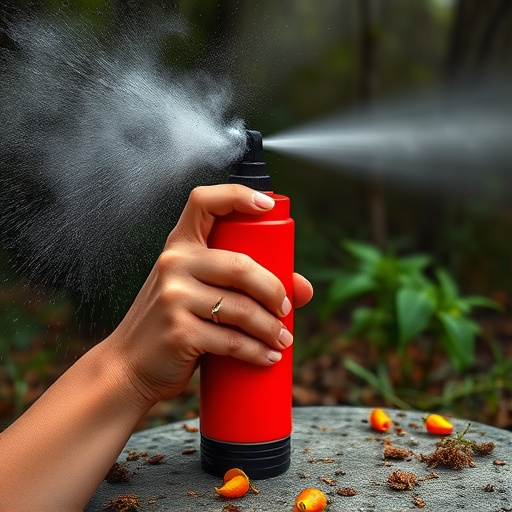
Proper storage and maintenance of pepper spray according to the Pepper Spray Storage and Maintenance Guide is crucial for maximizing effectiveness, safety, and longevity. This involves storing in cool, dry places away from heat/sunlight, regular checks for expiration dates, damage, and leakage, as well as maintaining a log of usage and conditions for prompt discard of outdated or suspect equipment. Adherence to these guidelines ensures optimal performance and accountability, making pepper spray a reliable tool for law enforcement.
“The law enforcement grade pepper spray weapon is a powerful tool, but its effectiveness hinges on proper storage and maintenance. This comprehensive guide, ‘Pepper Spray Storage and Maintenance Guide,’ delves into the intricacies of ensuring these critical components. From understanding pepper spray composition to implementing security measures, each section offers vital insights. Learn about optimal storage techniques, regular cleaning protocols, and tactical handling tips to maximize lifespan and reliability. By adhering to these best practices, officers can ensure their pepper spray remains a reliable asset in high-pressure situations.”
- Understanding Pepper Spray Composition and Safety
- Proper Storage Techniques for Optimal Lifespan
- Regular Maintenance: Cleaning and Inspection Protocol
- Security Measures to Prevent Unauthorized Access
- Storing and Handling for Tactical Efficiency
Understanding Pepper Spray Composition and Safety
Pepper spray, a powerful tool in law enforcement, is composed of capsaicin, the active ingredient derived from chili peppers. Its effectiveness lies in causing temporary blindness, coughing, and difficulty breathing, incapacitating suspects non-lethally. However, understanding its composition is key to safe handling. Pepper spray should be stored in cool, dry places, away from direct sunlight or extreme heat, following a comprehensive Pepper Spray Storage and Maintenance Guide. Regular maintenance ensures optimal performance and safety, including checking expiration dates, inspecting for damage, and properly securing the container.
Proper use requires awareness of its limitations; pepper spray is not suitable for all situations. Law enforcement personnel must be trained to apply it responsibly, ensuring minimal impact on bystanders and adhering to legal guidelines. By following safety protocols and staying informed about their weapon’s composition, officers can maximize pepper spray’s effectiveness while minimizing potential risks.
Proper Storage Techniques for Optimal Lifespan
Proper storage is paramount for maintaining the effectiveness and lifespan of pepper spray weapons. Store them in a cool, dry place away from direct sunlight and heat sources, as extreme temperatures can degrade the active ingredients. Keep them locked in a secure container, preferably a hard plastic or metal case designed specifically for pepper spray storage, to prevent accidental discharge and unauthorized access. Additionally, avoid storing pepper spray near other chemicals, as reactions could occur.
Regular maintenance is also crucial. Check the expiration date on each canister, replacing it when necessary. Inspect for any signs of damage, leakage, or discoloration, which may indicate compromised integrity. Keep a log of usage and storage conditions to monitor performance over time, ensuring you discard outdated or suspect equipment promptly.
Regular Maintenance: Cleaning and Inspection Protocol
Proper maintenance is crucial for ensuring pepper spray remains effective and safe. A detailed Pepper Spray Storage and Maintenance Guide should be implemented by law enforcement agencies to ensure regular cleaning and inspection protocols are followed. This includes routine washes with mild, pH-balanced detergents to prevent degradation of the spray’s active ingredients.
Inspections should occur at set intervals, checking for any signs of damage, leaks, or blockages in the nozzle. All parts must be meticulously examined, including the canister, trigger mechanism, and any attachments. Proper storage is equally vital; pepper spray should be kept in a cool, dry place, away from direct sunlight and heat sources, to maintain optimal performance and longevity.
Security Measures to Prevent Unauthorized Access
Ensuring secure storage and proper maintenance of pepper spray is paramount in law enforcement to prevent unauthorized access. A well-organized and protected storage system, including locked cabinets or containers, can safeguard the valuable resource from falling into wrong hands. Regular inventory checks and adherence to a strict Pepper Spray Storage and Maintenance Guide are essential practices. This involves keeping records of stock levels, examining expiration dates, and following manufacturer guidelines for safe handling and disposal.
Furthermore, implementing access control measures ensures only authorized personnel can utilize or manage the pepper spray. Training officers on security protocols and maintaining confidentiality around storage locations contribute to a robust framework. These proactive security measures are critical in law enforcement operations, fostering accountability and ensuring the effectiveness of pepper spray as a necessary tool for public safety.
Storing and Handling for Tactical Efficiency
Proper storage and handling of pepper spray are essential components of a comprehensive law enforcement strategy for tactical efficiency. A well-maintained stockpile ensures that officers have reliable access to this crucial non-lethal weapon when needed. This involves storing pepper spray in designated, secure areas, away from direct sunlight or extreme temperatures, which can compromise its effectiveness. Regular maintenance checks should be conducted to verify the integrity of each canister’s seal and ensure they remain fully charged.
To enhance tactical efficiency, law enforcement agencies should establish clear guidelines for handling pepper spray. This includes ensuring officers are trained in proper usage, as well as safe storage procedures. Regular inventory audits can help track usage and identify any discrepancies, maintaining a balanced stockpile. Additionally, providing specialized equipment like secure storage cases or holsters can further optimize the deployment process during high-pressure situations, contributing to overall tactical readiness.
In conclusion, effective law enforcement grade pepper spray is a powerful tool when used responsibly and properly maintained. This comprehensive guide has covered crucial aspects of storage, from understanding its composition and safety protocols to implementing security measures against unauthorized access. Regular cleaning, inspection, and strategic handling are essential for optimal lifespan and tactical efficiency. By adhering to these best practices outlined in the Pepper Spray Storage and Maintenance Guide, law enforcement agencies can maximize their investment while ensuring public safety.