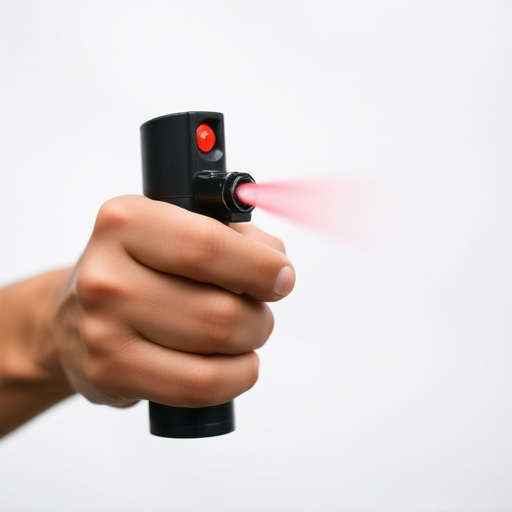
Proper storage and maintenance of pepper spray as outlined in the Pepper Spray Storage and Maintenance Guide are essential for maintaining its effectiveness, potency, and safety. This includes keeping it cool, dry, away from sunlight and heat sources, regularly checking expiration dates, inspecting for damage or leakage, and adhering to manufacturer instructions for disposal. Law enforcement must follow these guidelines rigorously, undergo specialized training, and comply with local regulations to ensure the safe and effective use of pepper spray during crowd control situations.
In the realm of riot control, pepper spray stands as a powerful tool for law enforcement and security personnel. This guide delves into the essential aspects of using inflammatory spray effectively. From understanding its composition and effects to navigating storage considerations, maintenance, and safety protocols, this comprehensive overview is your Pepper Spray Storage and Maintenance Guide. Learn about regulatory compliance and best practices to ensure optimal efficacy and mitigate risks associated with riot control spray deployment.
- Understanding Pepper Spray: Composition and Effects
- Storage Considerations for Optimal Efficacy
- Maintenance and Lifespan of Riot Control Spray
- Safety Protocols During Deployment
- Regulatory Compliance and Best Practices
Understanding Pepper Spray: Composition and Effects
Pepper spray, an essential tool in riot control and crowd management, is a chemical agent designed to temporarily incapacitate individuals through irritation and pain. Its composition typically includes capsaicin, the active ingredient found in chili peppers, mixed with various solvents and additives. This potent compound disrupts normal breathing and vision, providing critical time for law enforcement or security personnel to control and disperse crowds.
Proper storage and maintenance of pepper spray are paramount to ensure its effectiveness and safety. According to a comprehensive Pepper Spray Storage and Maintenance Guide, the spray should be kept in a cool, dry place, away from direct sunlight and heat sources. It is crucial to check expiration dates regularly, as the potency of the chemical can diminish over time. Additionally, following the manufacturer’s instructions for handling and disposal procedures is essential to prevent contamination and ensure the spray remains a reliable tool for public safety.
Storage Considerations for Optimal Efficacy
Proper storage is essential for maintaining the optimal efficacy of pepper spray. According to the Pepper Spray Storage and Maintenance Guide, it should be kept in a cool, dry place away from direct sunlight and heat sources. Extreme temperatures can degrade the active ingredients over time, reducing the spray’s effectiveness during riot control situations. Consider storing it in a secure cabinet or lockable container to prevent unauthorized access and accidental discharge.
Additionally, regular maintenance is crucial. The guide recommends checking the expiration date and inspecting for any signs of damage or leakage. It’s advisable to test the spray periodically to ensure its potency remains at the recommended level. This proactive approach guarantees that riot control officers have a reliable tool when facing violent crowds, ensuring public safety and order.
Maintenance and Lifespan of Riot Control Spray
Proper storage and maintenance are crucial aspects of ensuring the effectiveness and longevity of riot control spray, often referred to as pepper spray. The Pepper Spray Storage and Maintenance Guide recommends keeping the canister in a cool, dry place away from direct sunlight or extreme temperatures. It should be stored out of reach of children and unauthorized individuals to prevent accidental usage. Regular cleaning of the nozzle and inspection for any signs of damage or leakage is essential.
The lifespan of riot control spray varies based on factors like storage conditions and usage frequency. According to experts, pepper spray can typically remain effective for 2-5 years when stored correctly. After this period, the chemical composition might degrade, reducing its potency. Regular testing, as suggested by the guide, helps ensure the spray’s viability. Proper disposal methods should be followed once the product reaches its expiration or becomes non-functional to prevent environmental contamination and maintain safety standards.
Safety Protocols During Deployment
When deploying an inflammatory spray for riot control, adhering to strict safety protocols is paramount. Law enforcement agencies and security personnel must be adequately trained in the use of pepper spray to minimize risks to both citizens and officers. This includes understanding the spray’s range, duration, and potential side effects, such as respiratory distress or eye irritation.
Proper storage and maintenance of pepper spray are also crucial components of a comprehensive safety protocol. According to the Pepper Spray Storage and Maintenance Guide, these chemicals should be stored in secure, designated areas that are out of reach of unauthorized personnel. Regular inspections and timely replacements ensure the effectiveness and safety of the spray. Additionally, providing clear instructions on disposal methods and emergency response procedures is essential for mitigating risks associated with this powerful tool.
Regulatory Compliance and Best Practices
In ensuring effective riot control, it’s paramount to adhere to stringent regulatory compliance standards for inflammatory spray deployment. Authorities must strictly follow a comprehensive Pepper Spray Storage and Maintenance Guide to guarantee safety and optimal functionality. This includes secure storage in designated areas, regular inspections, and proper disposal protocols. Compliance involves understanding local laws and guidelines, which dictate the types of pepper spray allowed, usage limitations, and training requirements for officers.
Best practices extend beyond legal obligations. Agencies should implement robust training programs to familiarize personnel with safe handling, application techniques, and de-escalation strategies. Regular maintenance checks ensure equipment readiness, addressing issues like corrosion or malfunction promptly. Additionally, keeping detailed records of inventory levels, usage data, and maintenance history facilitates transparent accountability and aids in identifying potential safety gaps.
Pepper spray, a powerful tool in riot control, requires careful consideration from its composition and effects to safety protocols and regulatory compliance. This guide has provided insights into pepper spray storage and maintenance, emphasizing optimal efficacy through proper handling and lifespan management. By adhering to best practices, law enforcement agencies and security professionals can ensure the effectiveness of their riot control strategies while prioritizing the safety of both officers and civilians.